What Is Mixtape Game? A Playable Coming-of-Age Movie Powered by Music
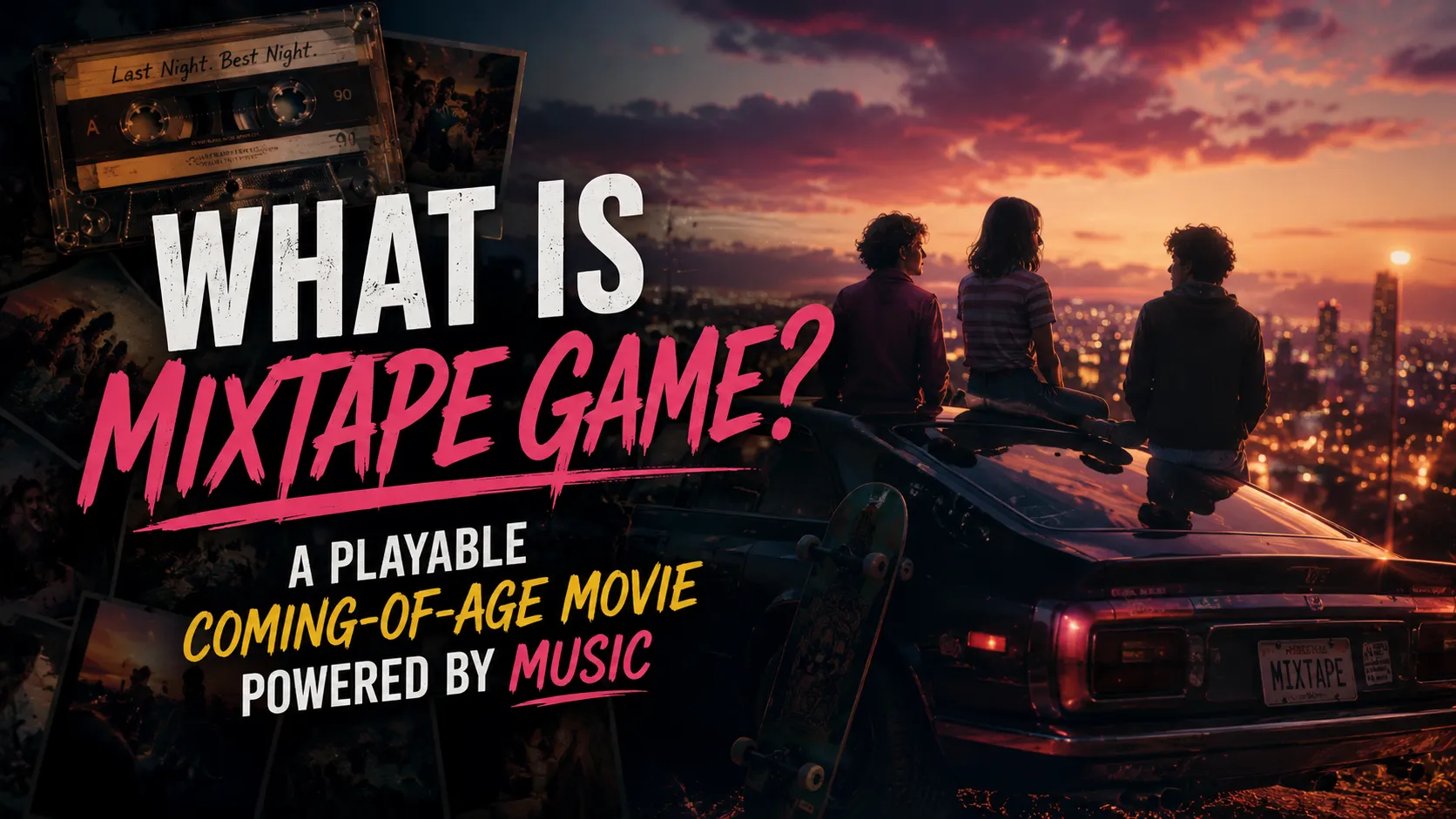
Mixtape is a cinematic coming-of-age adventure about friendship, music, memory, and one last wild night after high school.
Key Takeaways
- Mixtape is not a Wordle-style puzzle game. It is a cinematic narrative adventure.
- You follow three friends on their last night of high school as they relive memories through music.
- The game blends skating, partying, sneaking out, avoiding trouble, and emotional coming-of-age moments.
- Its soundtrack is central to the experience, turning songs into playable memories.
- Players who enjoy stylish story games, nostalgia, music-driven scenes, and teen adventure films will likely connect with it.
What Is Mixtape Game?
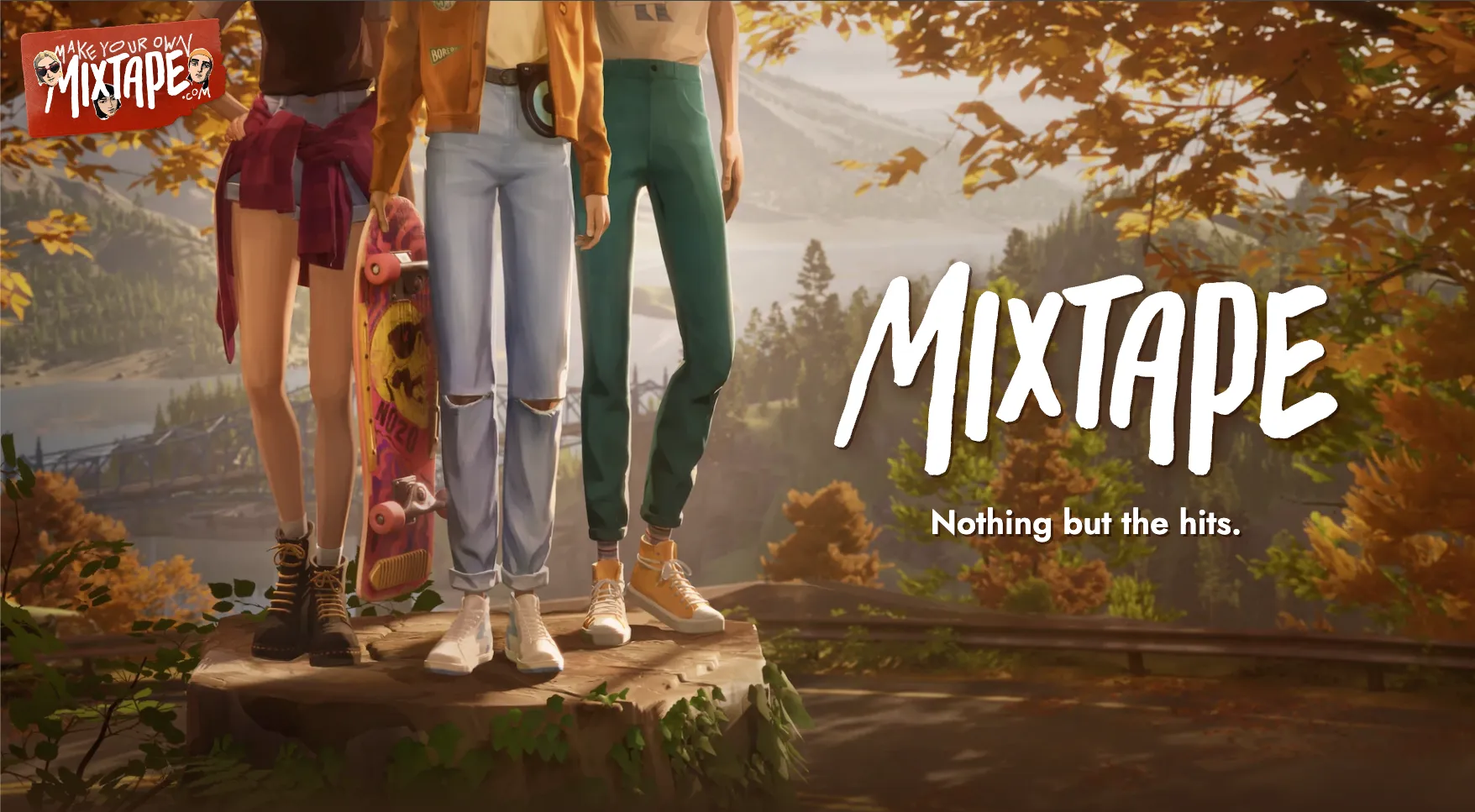
Mixtape is a narrative adventure game developed by Beethoven & Dinosaur and published by Annapurna Interactive.
The game follows three high school friends on one final night together. It is about growing up, looking back, causing trouble, and realizing that a certain chapter of life is about to end.
Instead of building its experience around combat, scoring, or hard puzzle logic, Mixtape uses music as the emotional engine of the game.
You are not just moving through levels.
You are playing through memories.
The official premise is simple but powerful: three friends embark on one last adventure together, set to the soundtrack of a generation. That idea gives the game its identity. It feels less like a traditional mission-based adventure and more like a playable mixtape of youth, friendship, rebellion, and nostalgia.
What Makes It Different?
Mixtape stands out because it treats music as structure, not decoration.
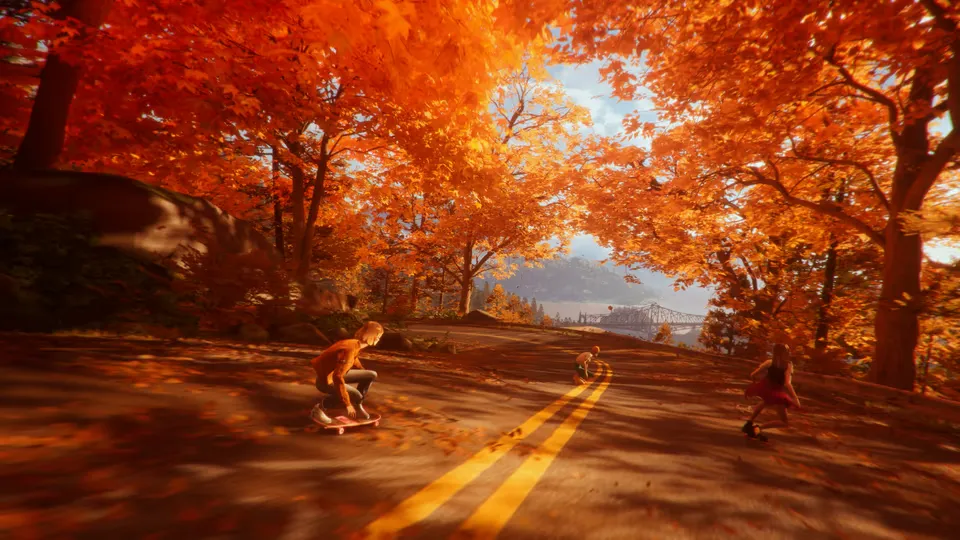
In many games, licensed songs appear during trailers, menus, or dramatic cutscenes. In Mixtape, the soundtrack shapes the mood, pacing, and memory flow of the entire experience.
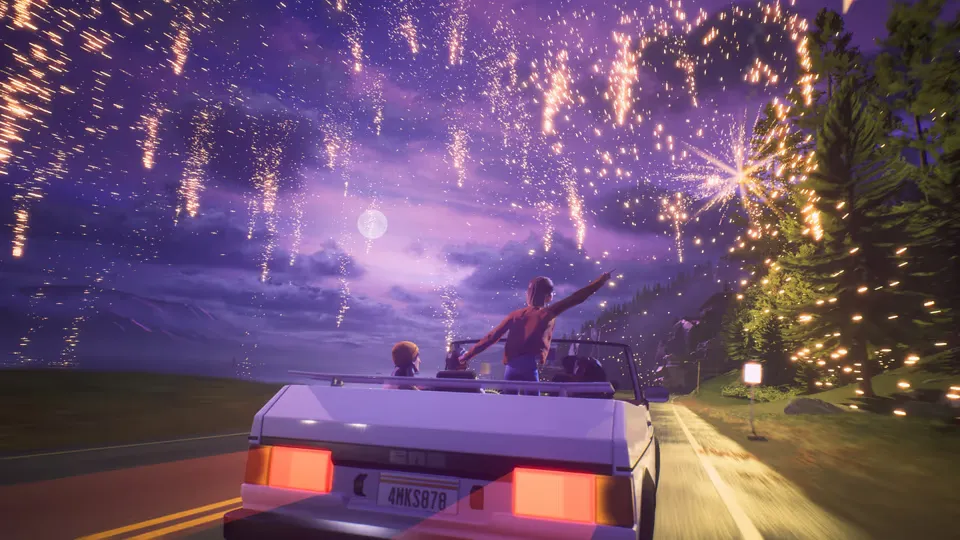
The game is built around moments that feel like they belong in a coming-of-age film:
- Skating through town
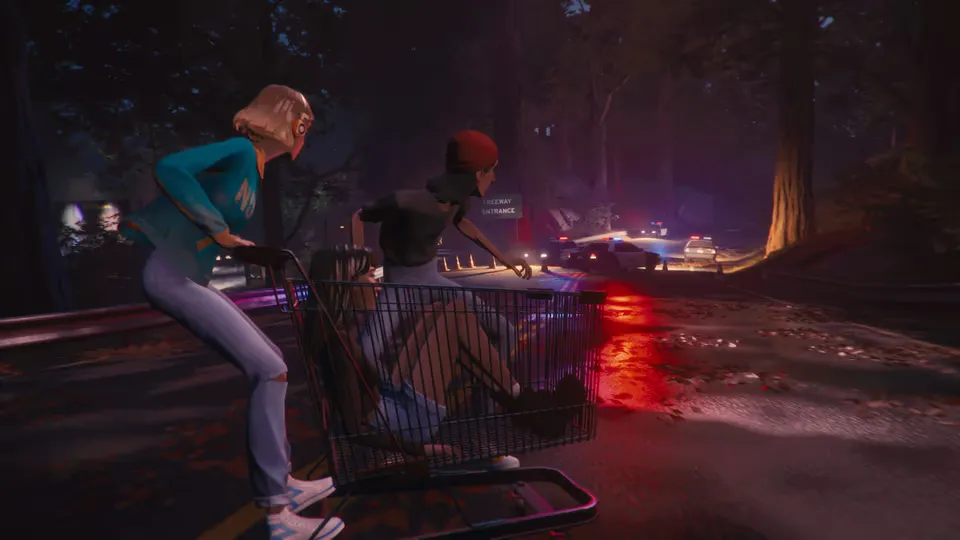
- Sneaking out at night
- Going to parties
- Avoiding the law
- Making reckless teenage choices
- Hanging out with friends before life changes
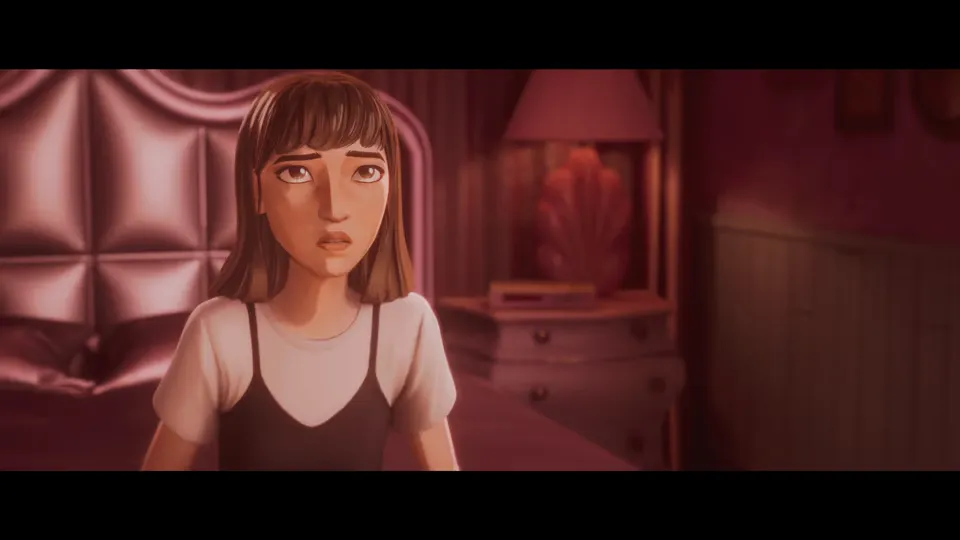
That makes Mixtape feel closer to an interactive memory album than a standard adventure game.
Its closest neighbors are not competitive music games. They are stylish narrative experiences like Life Is Strange, Oxenfree, The Artful Escape, and Sayonara Wild Hearts.
But Mixtape has its own flavor.
It is less about supernatural mystery and more about the emotional chaos of being young, loud, uncertain, and desperate to make one final night matter.
Why It Feels Challenging
Mixtape does not seem designed around brutal difficulty. Its challenge is more emotional than mechanical.
The question is not usually:
Can you beat this level perfectly?
The question is closer to:
Can you stay inside the feeling of this memory?
That kind of design works because coming-of-age stories are built on contradiction.
Teenagers want freedom, but they are terrified of change. They want the night to last forever, but the future keeps arriving. They act fearless, but every joke, song, and reckless decision hides something fragile underneath.
Mixtape turns that emotional tension into gameplay rhythm.
One moment may feel wild and funny. The next may feel quiet, nostalgic, or bittersweet.
That shift is the real challenge: following the emotional mixtape without reducing it to simple objectives.
How Music Shapes the Gameplay
The title is not just a metaphor.
A mixtape is personal. It is selective. It says something about the person who made it.
That is why the format fits this game so well.
Every song can act like a memory trigger:
- A track can make a party feel legendary.
- A guitar riff can turn skating into a dream sequence.
- A nostalgic chorus can make an ordinary street feel important.
- A familiar song can make a goodbye hit harder.
This gives Mixtape a strong emotional advantage over many story games.
Players do not only remember what happened.
They remember how the scene felt.
That is the power of a soundtrack-driven game. Music compresses time. It makes small moments feel mythic.
Why the Coming-of-Age Format Works
Mixtape works because the final-night setup is instantly understandable.
Everyone understands the feeling of a last time:
- The last school night
- The last party
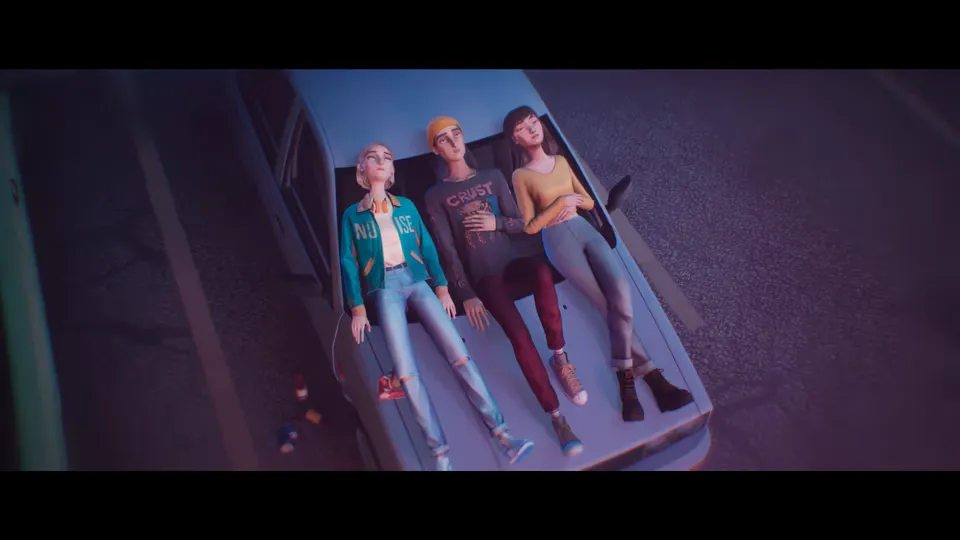
- The last ride with old friends
- The last chance to say something important
- The last version of yourself before life changes
That structure gives the game emotional pressure without needing huge stakes.
The world does not need to end.
A friendship changing can feel big enough.
That is what makes coming-of-age stories powerful. They turn ordinary teenage moments into personal mythology.
Mixtape leans directly into that idea.
Who Will Enjoy It?
Mixtape is likely a strong fit for players who enjoy story, atmosphere, and emotional style more than complex systems.
You will probably enjoy it if you like:
- Narrative adventure games
- Music-driven storytelling
- Teen friendship stories
- Stylized cinematic visuals
- Nostalgic 80s, 90s, or alt-rock energy
- Games that feel like interactive films
It may not be the best fit if you mainly want deep combat, competitive multiplayer, heavy customization, or difficult puzzle solving.
Mixtape is more about mood, memory, and movement.
It wants you to feel the night, not optimize it.
How It Compares to Adjacent Games
Compared with Life Is Strange, Mixtape appears less focused on supernatural choice drama and more focused on music, memory, and youthful momentum.
Compared with Oxenfree, it seems less eerie and more nostalgic, rebellious, and cinematic.
Compared with The Artful Escape, it shares a love of music as transformation, but Mixtape feels more grounded in friendship and adolescence.
Compared with rhythm games, Mixtape is not about hitting notes perfectly. It is about letting songs carry scenes, emotions, and memories forward.
That difference matters.
Mixtape is not trying to test whether you are good at music.
It is trying to remind you why music mattered so much at certain moments in your life.
Final Thoughts
Mixtape game is best understood as a playable coming-of-age movie built from music, memory, and friendship.
Its appeal comes from how it captures the feeling of one last night before everything changes. The skating, partying, sneaking out, and reckless teenage energy are not just activities. They are pieces of a larger emotional collage.
The game works because it understands that music is never just background noise.
A song can turn a memory into a myth.
A mixtape can make a friendship feel permanent, even when life is pulling everyone in different directions.
That is the heart of Mixtape.
It is not about solving a puzzle or winning a challenge.
It is about playing through the songs, mistakes, jokes, risks, and memories that define a group of friends before the tape runs out.